

.avif)


Get £100 John Lewis Gift Card with every Original Pro
Ends In
02
:
14
:
06
:
58
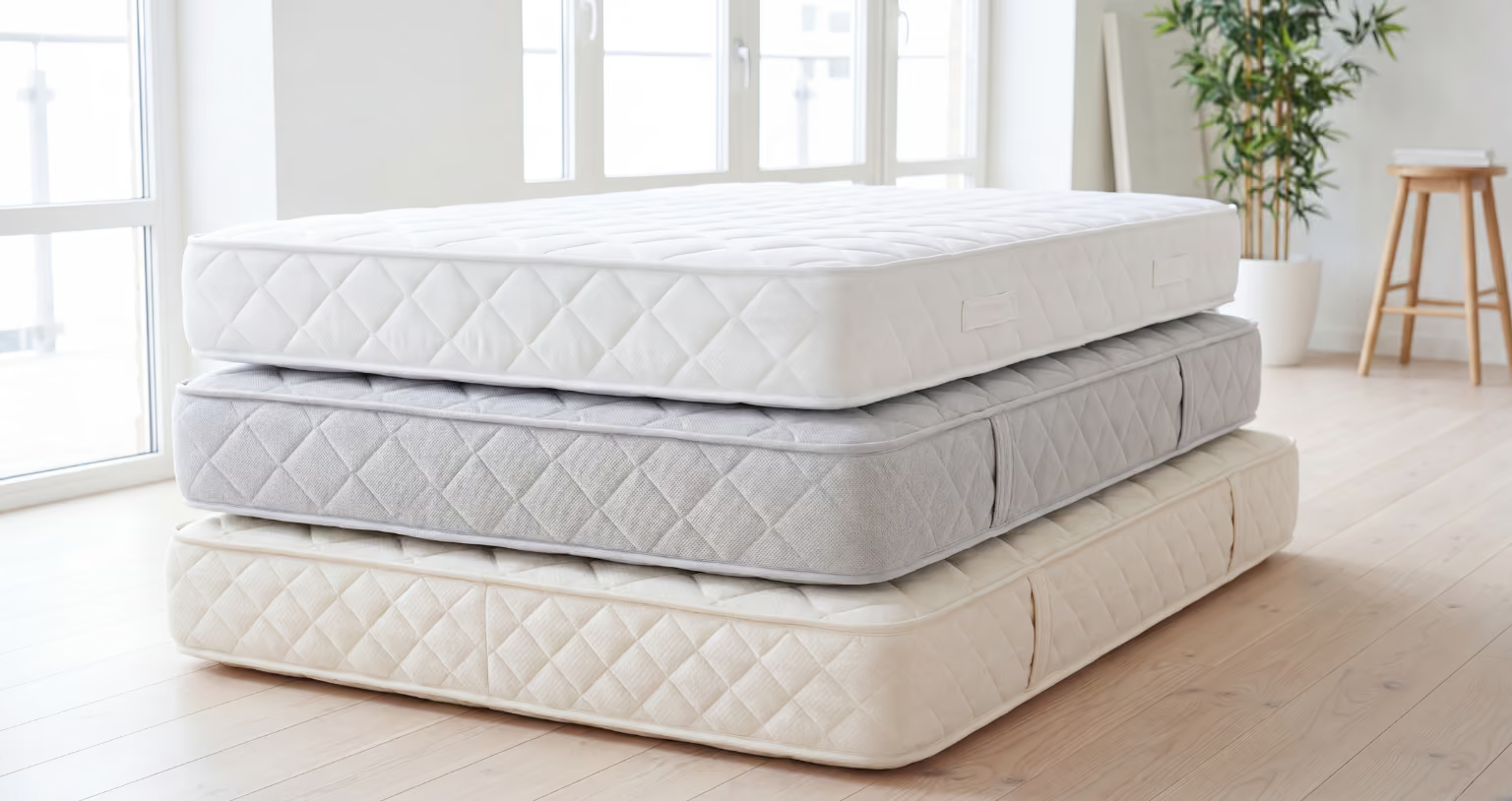
With so many models available, choosing a mattress can quickly become complicated. Foam, pocket springs, latex, or hybrid technology: each mattress has different characteristics. Here are three steps to help you compare mattresses and identify the one that best suits your needs.
1. Use a Mattress Test as a Starting Point
Checking a mattress test can be a good way to start your research. A comparison lets you evaluate several models against common criteria and better understand their differences.
Top 5 by Emma rankings are based on a public methodology, objective criteria, and a weighted scoring system. For mattresses, the evaluation covers four categories: ergonomics (50%), durability (35%), cover (10%), and ease of use (5%).
The tests take into account, among other things, motion isolation, stabilization, ergonomic zones, and how well the mattress holds up over time.
2. Compare Mattresses Based on Your Needs
There isn't a single best mattress that suits every sleeper. The right choice depends in particular on your body type, sleeping position, and comfort preferences.
When comparing mattresses, you can look at:
Some brands offer up to 200 nights' trial or up to 10 years' warranty. These conditions vary from brand to brand and should be checked directly with each one.
3. Choose the Mattress That Matches Your Criteria
Once you've defined your priorities, it becomes easier to identify the models that meet your expectations.
A mattress comparison is a useful starting point, but comfort remains personal. It's therefore best to combine test results with your own selection criteria.
Compare mattresses: Check the Top 5 by Emma rankings to compare the features and results of the mattresses we've evaluated.



.avif)